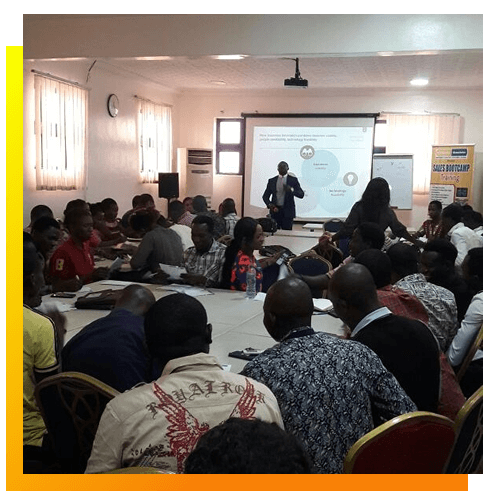
HOW TO USE IDEOLOGICAL STRATEGIES TO DEFEAT BANDITRY IN NORTHERN NIGERIA
Defeating banditry in Northern Nigeria through ideological strategies requires a multifaceted approach that addresses the root causes of the problem while promoting alternative narratives that undermine the appeal of banditry. Here’s how ideological strategies can be deployed:
1. Promote Alternative Narratives
– Education and Awareness Campaigns: Develop and disseminate counter-narratives that emphasize the destructive consequences of banditry, highlighting its impact on communities and the broader society. This can involve community outreach, radio programs, and social media campaigns that present banditry as dishonorable and un-Islamic.
– Engage Religious Leaders: Collaborate with religious leaders to promote messages of peace and the moral consequences of violence. This involves using sermons, religious gatherings, and media to emphasize that banditry contradicts Islamic teachings and values.
2. Economic and Social Incentives
– Job Creation and Skills Development: Provide economic alternatives to banditry by creating jobs and offering vocational training for young people in affected areas. Empowering the youth with skills and employment opportunities reduces the economic incentives to join bandit groups.
– Community Development Programs: Invest in infrastructure, education, and healthcare in regions vulnerable to banditry. Improving living conditions can reduce the allure of criminal activities by addressing the grievances that make banditry appealing.
3. Rehabilitation and Reintegration
– Deradicalization Programs: Develop programs aimed at rehabilitating and reintegrating former bandits into society. This could involve counseling, education, and vocational training tailored to help former bandits find alternative livelihoods.
– Community Reintegration: Encourage communities to accept and support reformed bandits. This may require reconciliation processes and the provision of incentives to communities that successfully reintegrate former bandits.
4. Strengthen Governance and Rule of Law
– Good Governance: Promote transparency, accountability, and inclusiveness in governance to reduce corruption and grievances that fuel banditry. Strengthening local governance structures can help restore trust between communities and the state.
– Community Policing: Establish and support local security initiatives that involve community members in maintaining law and order. This can help in gathering intelligence and fostering a sense of ownership and responsibility for security among locals.
5. Strategic Communication and Media Engagement
– Use of Media: Leverage local media, including radio, television, and social media, to disseminate positive messages and counter-propaganda. Highlight success stories of individuals and communities that have rejected banditry.
– Public Dialogues: Organize town hall meetings and dialogues where community members can voice their concerns and discuss solutions with government officials and security forces. This fosters a sense of inclusion and collective responsibility.
6. Engage Civil Society and NGOs
– Partnership with NGOs: Collaborate with non-governmental organizations that focus on peacebuilding, conflict resolution, and development. NGOs can provide valuable resources and expertise in community engagement and deradicalization efforts.
– Youth and Women Involvement: Actively involve youth and women in peacebuilding initiatives. Empowering these groups can create grassroots movements that challenge the appeal of banditry and promote peaceful coexistence.
7. Cultural and Traditional Leadership
– Engage Traditional Leaders: Work with traditional rulers and elders to use their influence in promoting peace and discouraging banditry. Traditional leaders can play a critical role in conflict resolution and community mobilization.
– Reviving Cultural Values: Promote cultural values that emphasize community, respect for life, and mutual support. Cultural programs and festivals that celebrate peace and unity can be effective in reinforcing these values.
8. Countering Banditry Propaganda
– Monitor and Counter Misinformation: Establish monitoring mechanisms to detect and counter misinformation and propaganda spread by bandit groups. Developing rapid response teams to address false narratives can prevent their spread.
– Influence Networks: Engage influencers, including local celebrities, musicians, and sports figures, to spread anti-banditry messages. Influencers can reach a broad audience and shape public perceptions.
9. Long-Term Strategic Planning
– Comprehensive Security Reforms: Implement long-term security reforms that include intelligence gathering, community-based approaches, and collaboration with regional and international partners.
– Sustainable Development: Align ideological strategies with broader sustainable development goals, ensuring that efforts to counter banditry are part of a holistic plan for regional stability and growth.
By combining these strategies, Northern Nigeria can create a resilient society where the appeal of banditry is diminished, and peace and stability are promoted.
By Peter Samuel Anyebe Cmc Mnim Fcism Fpmc
Leave a Reply