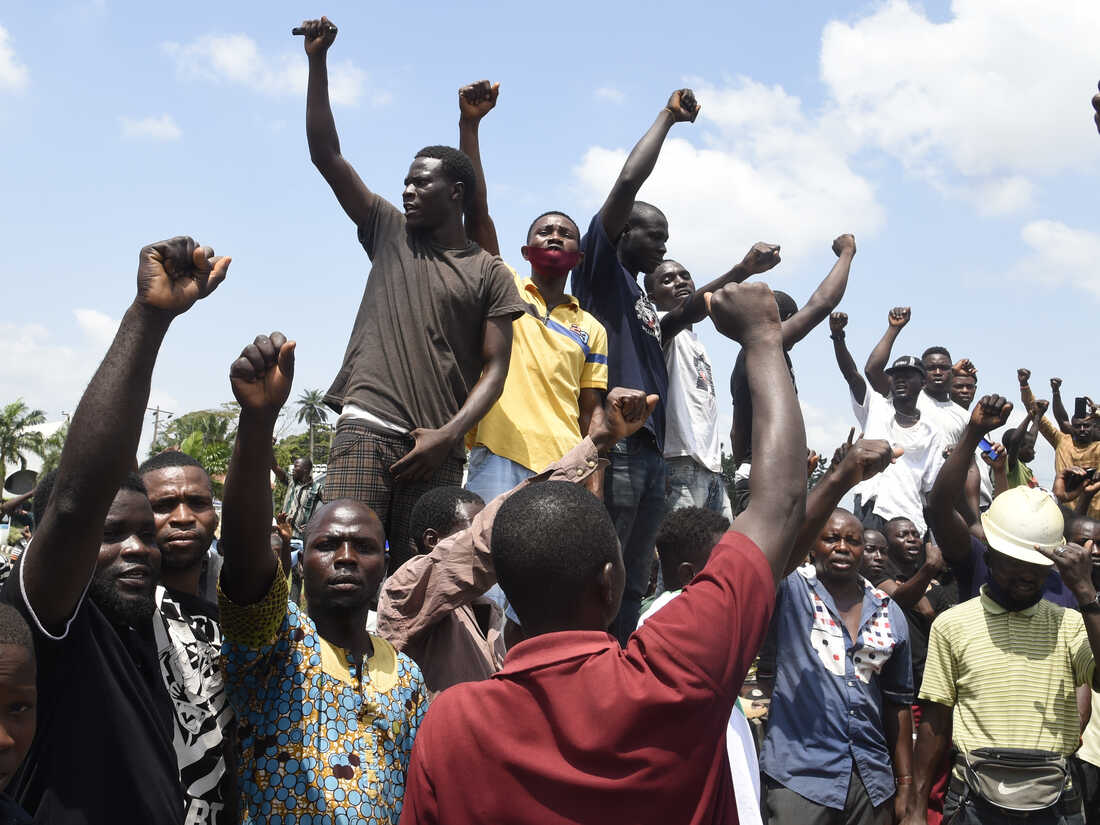
DANGERS OF NATIONAL PROTEST AGAINST GOVERNMENT AND POSSIBLE SOLUTIONS
Here are the dangers of national protests against the government along with possible solutions to mitigate these risks:
1. Violence and Repression
Dangers:
– Clashes between protesters and security forces.
– Potential injuries or fatalities.
– Use of force by the government to suppress protests.
Possible Solutions:
– Promote nonviolent protest methods and train participants in peaceful tactics.
– Establish communication channels with authorities to agree on protest boundaries.
– Use legal observers and human rights organizations to monitor and document any use of force.
2. Economic Disruption
Dangers:
– Disruption of businesses, transportation, and daily activities.
– Potential economic losses affecting livelihoods.
Possible Solutions:
– Plan protests to minimize impact on critical infrastructure and essential services.
– Schedule protests during times that are less disruptive, such as weekends or holidays.
– Communicate clearly with the public and business community about the protest’s purpose and duration.
3. Political Instability
Dangers:
– Increased political tension and uncertainty.
– Potential deterrence of investment and tourism.
Possible Solutions:
– Focus protests on specific issues rather than general dissent to maintain a clear agenda.
– Engage in dialogue with political leaders to find peaceful solutions.
– Use protests as a platform to advocate for constructive political reforms.
4. Crackdown on Civil Liberties
Dangers:
– Government may impose curfews, limit freedoms, and increase surveillance.
– Erosion of civil liberties and human rights.
Possible Solutions:
– Work with legal organizations to challenge unlawful restrictions and protect rights.
– Raise awareness about civil liberties and the importance of peaceful protest.
– Document and report any abuses to international human rights organizations.
5. Public Safety Risks
Dangers:
– Risks to public safety, including potential for stampedes or exposure to hazardous situations.
– Property damage.
Possible Solutions:
– Develop comprehensive safety plans for protests, including crowd control measures.
– Coordinate with medical personnel and provide first aid stations.
– Encourage participants to follow safety guidelines and avoid risky behaviors.
6. Divisiveness
Dangers:
– Deepening societal divisions along ethnic, religious, or political lines.
Possible Solutions:
– Promote inclusivity and unity in the protest’s messaging and participation.
– Engage with diverse community leaders to build broad-based support.
– Emphasize common goals and shared values to bridge divides.
7. Risk of Co-optation
Dangers:
– Movements hijacked by groups with different agendas, diluting the original goals.
Possible Solutions:
– Maintain clear and consistent messaging about the protest’s core objectives.
– Vet and coordinate with allied groups to ensure alignment of goals.
– Remain vigilant and address any attempts to divert the movement’s focus.
8. Legal Consequences
Dangers:
– Arrest, detention, and prosecution of protest participants.
Possible Solutions:
– Provide legal support and know-your-rights training to participants.
– Work with legal advocacy groups to challenge unjust laws and defend arrested protesters.
– Maintain documentation and evidence of peaceful conduct to use in legal defenses.
### 9. Health Risks
Dangers:
– Large gatherings increasing the risk of spreading infectious diseases.
Possible Solutions:
– Promote health guidelines such as wearing masks and social distancing.
– Provide hand sanitizing stations and encourage hygiene practices.
– Consider virtual protests or smaller, decentralized actions during health crises.
By addressing these dangers with proactive solutions, national protests can be more effective and safer, helping to achieve meaningful change while minimizing negative impacts.
Leave a Reply