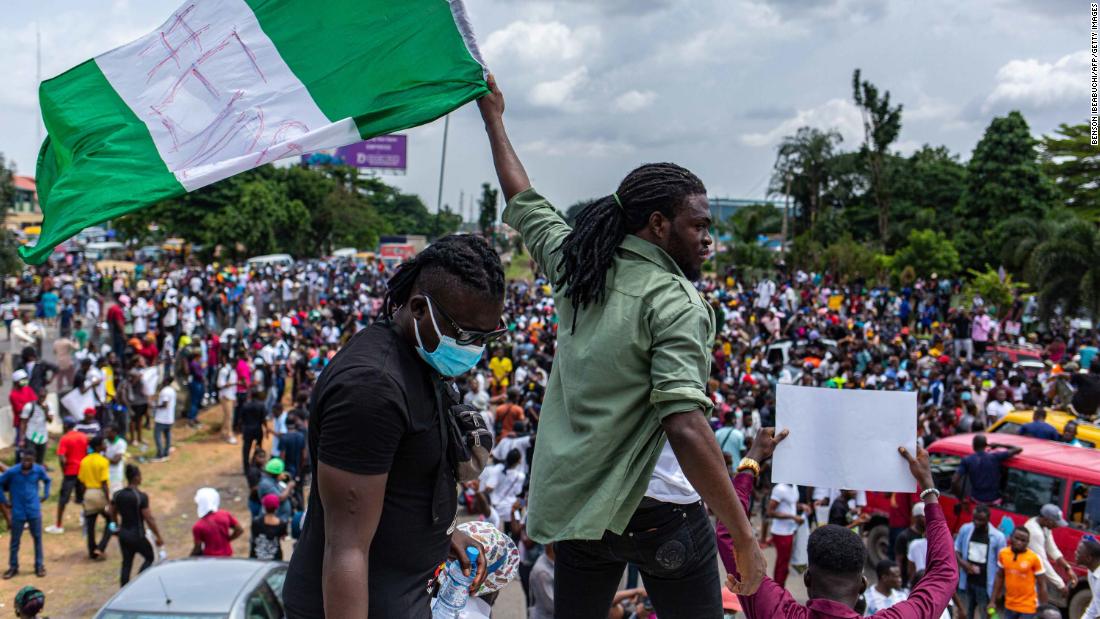
10 DANGERS OF A LEADERLESS PROTEST AGAINST GOVERNMENT
Leaderless protests, while often seen as more democratic and inclusive, can face several dangers:
1. Lack of Coordination: Without a clear leadership structure, coordinating actions and strategies can be difficult, leading to disorganization and inefficiency.
2. Message Dilution: Without central leadership, the movement’s message and demands can become fragmented, making it harder to present a unified front or clear objectives.
3. Infiltration and Sabotage: Leaderless movements are more susceptible to infiltration by government agents or opposition groups aiming to disrupt or discredit the protest.
4. Inconsistent Responses: In the absence of leaders, responses to changing circumstances, including negotiations with authorities or managing emergencies, can be inconsistent or slow.
5. Decision-Making Challenges: Reaching consensus in a leaderless protest can be time-consuming and contentious, potentially stalling important decisions and actions.
6. Accountability Issues: Without identifiable leaders, it can be difficult to hold anyone accountable for strategic mistakes or actions taken during the protest.
7. Difficulty in Negotiation: Authorities often prefer to negotiate with clearly identified leaders. A leaderless movement may struggle to engage in effective dialogue or negotiations with the government.
8. Risk of Escalation: Without centralized control, individual participants or smaller factions within the protest may engage in actions that escalate tensions, potentially leading to violence.
9. Public Perception: The absence of recognized leaders can lead to a perception of chaos or lack of seriousness, which can undermine public support and legitimacy.
10. Sustainability Challenges: Maintaining momentum and coherence over time can be challenging without leaders to inspire, organize, and sustain the movement.
Despite these challenges, some leaderless movements have successfully utilized decentralized structures to avoid repression and empower a broad base of participants. However, balancing inclusivity with the need for organization and coherent strategy is critical for the success and safety of such protests.
By Peter Samuel Anyebe Cmc Mnim Fcism Fpmc
Leave a Reply